
The History of Business Cards
The History
of Business Cards
From 17th-century visiting cards to perforated, transparent and even edible designs. Standard business cards today are 85 x 55mm.
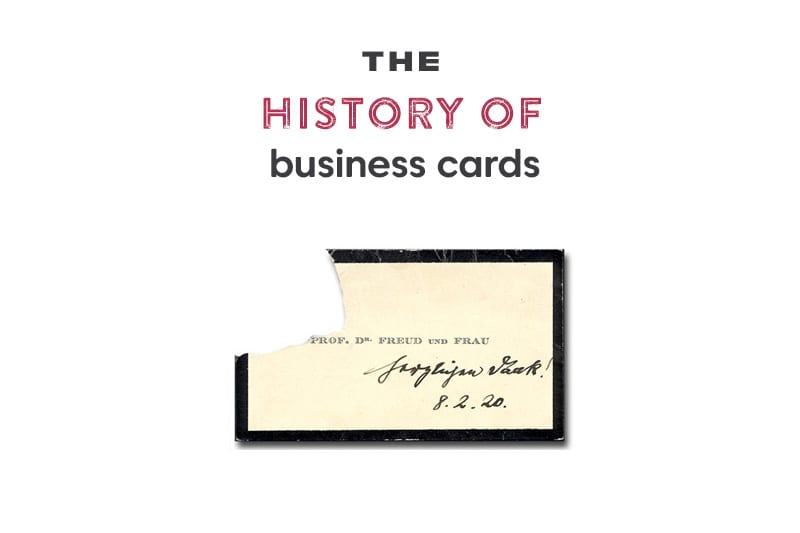
Business cards. Your ID, your value.
We have written about the importance of business cards, but that only scratches the surface of what a good card is worth. You may know all you need to about business cards, but have you ever wondered how we ended up with these small cards that can shape how people see you?
The Origins of Business Cards
Business cards are said to date back to the 17th century, probably in Europe. Their first common use was to announce a visit from royalty or a religious figure, whether to a town or a family home.
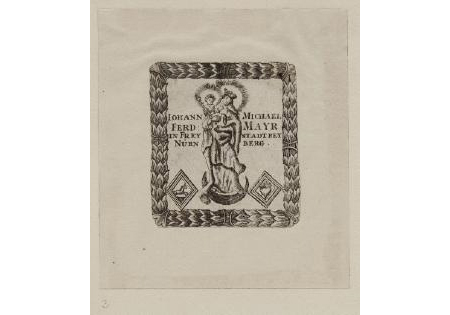
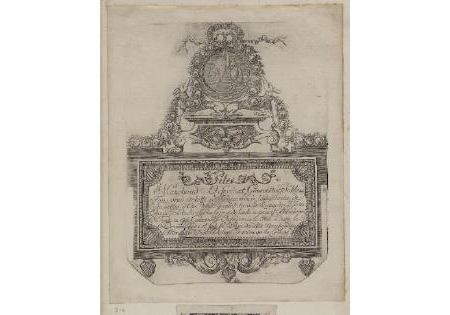
Business Cards, but not as we know them
Square business cards were not the first unusually shaped business cards. The earliest cards were closer to the size of a playing card than the standard 85 x 55mm business cards we use today, and they usually used only pencil or a single colour of ink without filling the space.
In the 18th and 19th centuries business cards evolved again, into social cards given to the lady of the house on a first visit.
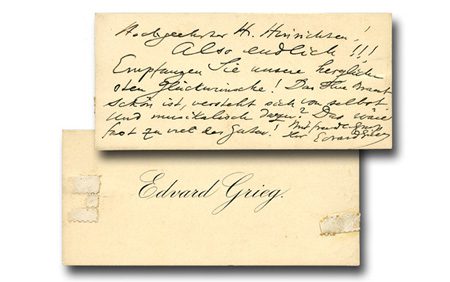
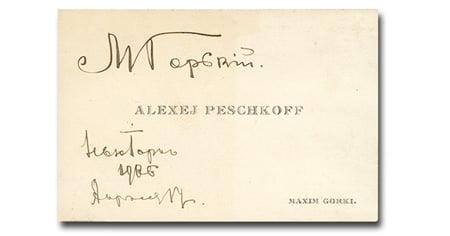
It was a matter of etiquette, and the card set the first impression of the person, much like business cards today.
You can tell 18th and 19th-century cards apart by their design and content: the older ones usually carried a name, a date and a message. Today's business cards carry much more information with a clearer layout, and usually include a name, job role, contact details and a logo. They are even available as recycled business cards.
New Innovations; into the modern world of business cards!
Some cards go well beyond the standard 85 x 55mm, in shapes people would never imagine until they saw them: cards cut into the shape of a company's logo, or cards designed to be genuinely useful.
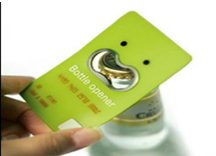
Some cards fold out into a toy, others double as a bottle opener, and some are embossed or cut to create negative space, which makes them memorable because so few people do it. They cost more to produce, which is why they are not for everyone.
Edible business cards are a newer trend, made from things like chocolate and biscuits.
One of our favourite designs is a clever card for a divorce lawyer. It looks like a normal card, but it has a perforation down the middle. Tear along it and the card splits in two, just like a marriage ending in divorce, and the lawyer's details are printed on both halves, so each piece is still useful.
Print this: stand out from the standard size with square business cards, 55 x 55mm on 400gsm paper.
What should a Business Card include?
Style matters, but so does what your card says. Since the social cards of the 18th and 19th centuries, cards have been used to introduce yourself, and first impressions count.
More often than not, your business card is your first impression. That does not mean handing it over and walking away: after a good conversation, follow up with a card that represents you and your work in the best way possible.
Imagine a transparent business card designed to look like a camera viewfinder, with icons instead of lots of text. You would know straight away that the person offers photography and video.
The most innovative cards are the ones people remember, but they still need to fit in a wallet, or they are likely to get lost.
Print this:cheap business cards in the standard 85 x 55mm size, printed on 350gsm silk and dispatched within 24 hours.

Related Guides
You might also like
Paper vs Plastic Business Cards
Which kind of card suits your brand?
8 Things to Put on Your Business Card
What your card needs to make the right impression.
Different Types of Business Cards
The main kinds of business card and what they are good for.
Business Card Design Guides
Fonts, colours and design tips for your cards.